

Advanced Exfoliation - Retinol Treatments Gallery
$$MultiPurposeText$$
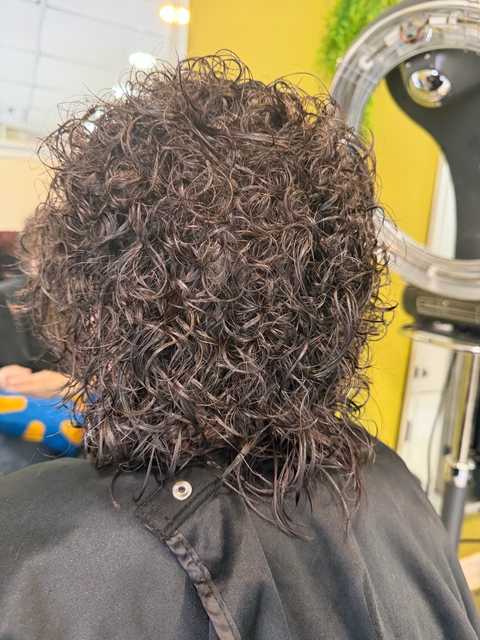
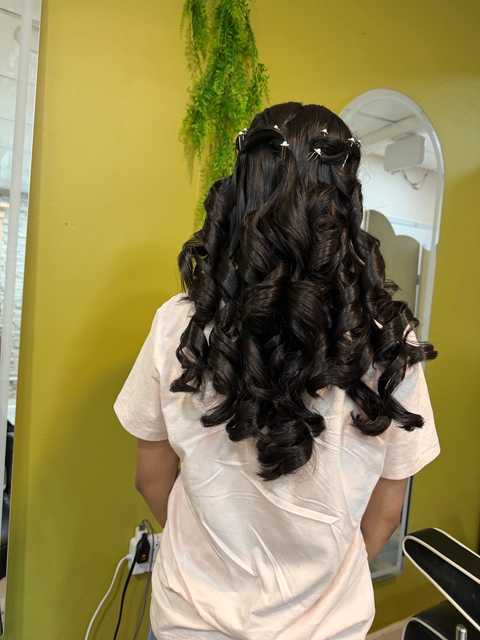
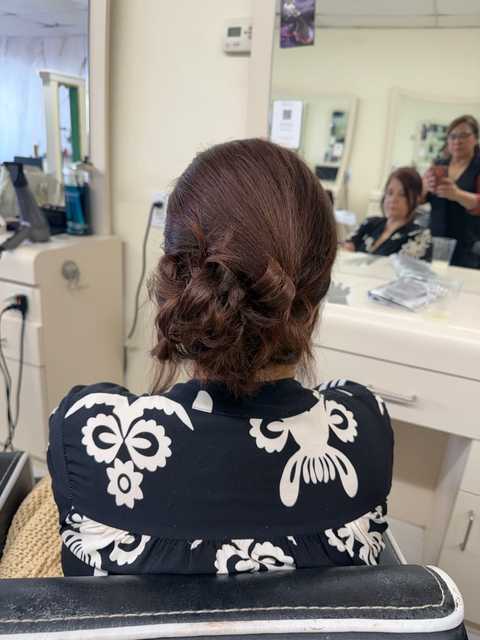
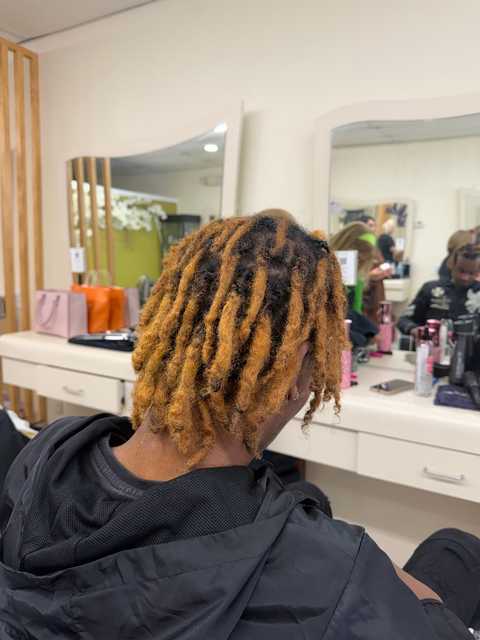
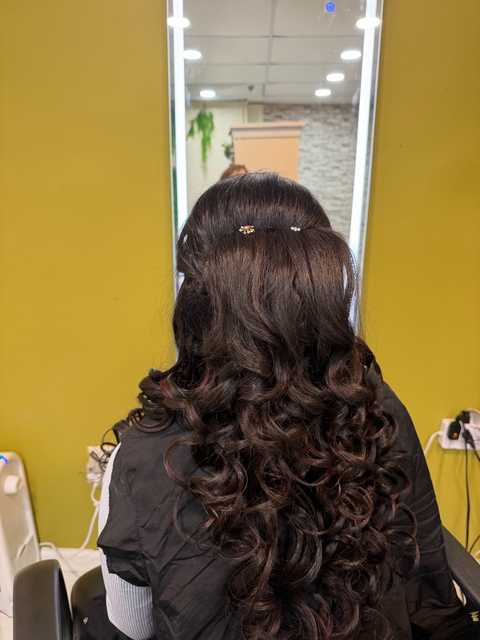
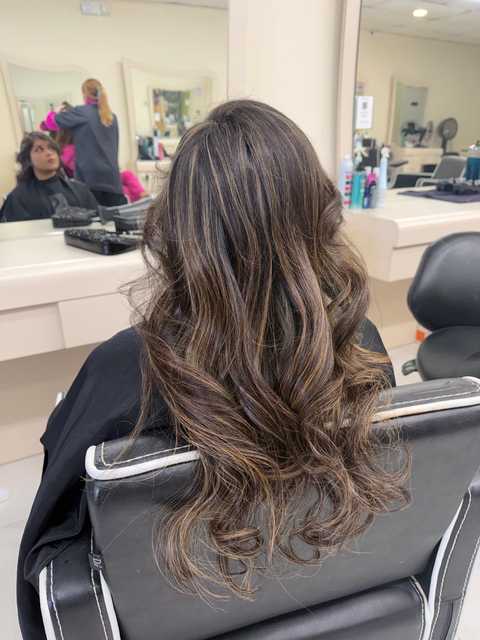
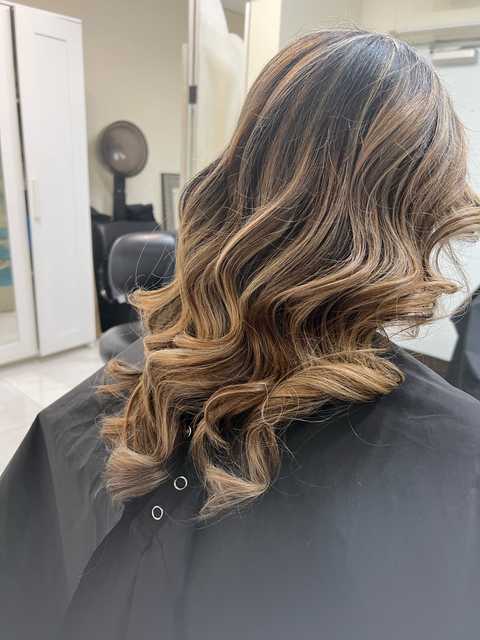
See examples of our Advanced Exfoliation - Retinol Treatments work and results.







What Our Clients Say
$$MultiPurposeText$$
Read testimonials from our satisfied customers

Love coming here for my eyebrows. Isha always does an amazing job!

I have been going to impressions for years and have had great experiences every time! Espe...more

Had an amazing experience at this hair salon! It’s beautifully designed and hijab-friendly...more

isha gives a good facial. i’m beautiful now. great work ❤️

They are so good and excellent service

Saroj did my threading and she was amazing ! I will definitely be coming back for her!

Frequently Asked Questions
Get answers to common questions about Advanced Exfoliation - Retinol Treatments.
Yes, with precautions: we perform a skin consultation and patch test, and may use lower-strength retinol or protective barrier methods. Mild redness or peeling can occur; sensitive skin clients benefit from gradual introduction and tailored aftercare to minimize irritation and ensure safe results.
Treatment frequency depends on skin type and goals; most clients start with sessions every three to four weeks while skin adapts. A personalized plan is created to build tolerance and maximize results, typically a course of three to six treatments for noticeable improvement.
Most clients experience mild redness, tightness, and light peeling for 24 to 72 hours; some flaking can continue up to a week. Symptoms are temporary—proper aftercare and sunscreen speed recovery. We'll advise home care to minimize downtime.
Yes—retinol promotes cell turnover, unclogs pores, and improves texture, while antioxidants calm inflammation and support healing. Results appear over multiple sessions; combined with tailored skincare and professional guidance, it effectively reduces breakouts and smooths uneven skin.
Contraindications include pregnancy or nursing, recent isotretinoin use, active infections, open wounds, or untreated eczema/rosacea. Inform your esthetician about medications and recent procedures; we'll evaluate suitability and recommend alternatives when retinol therapy isn't appropriate.
Aftercare includes daily broad-spectrum SPF, gentle cleanser, and rich moisturizer to support barrier repair. Avoid harsh exfoliants, chemical peels, or waxing for several days. Use only recommended serums and report prolonged irritation; follow our customized homecare plan for best results.